The Allure of Gambling: Understanding Motivation
The world of casino gaming has long fascinated both participants and researchers alike, as it speaks to fundamental aspects of human psychology and behavior. One of the primary motivations for gambling in casinos is the thrill and excitement that comes from the possibility of winning. Many individuals are drawn to games of chance where they can experience the rush of adrenaline as they place their bets, creating a sense of anticipation that can be both exhilarating and addictive. Furthermore, many people who enjoy gambling also explore sports betting websites to diversify their experiences in the gaming world.

Moreover, social interactions within casino environments play a crucial role in motivating individuals to gamble. For many, casinos are not just places to gamble but social hubs where they can connect with others, celebrate victories, or share in the communal experience of gaming. This social aspect often enhances the overall enjoyment and engagement, keeping players coming back for more.
The Psychology of Risk and Reward
At the heart of casino gaming behavior lies the intricate relationship between risk and reward. The potential for high payoffs lures players into a cycle of gambling, where they weigh the risks of their investments against the allure of winning big. Psychological theories, such as the expectancy theory, suggest that individuals are motivated to gamble because they believe that their efforts will yield favorable outcomes, despite knowing the odds are often against them.
Additionally, the concept of variable reinforcement is prevalent in casino gaming. Players receive rewards at unpredictable intervals, which can create a powerful motivational force. This unpredictability fuels excitement and encourages continued play, as individuals seek to experience the euphoric highs that come with sporadic wins, reinforcing their gaming behavior.
Cognitive Biases and Gambling Behavior
Cognitive biases play a significant role in how individuals perceive their chances of winning while gambling. One common bias is the illusion of control, where players believe they can influence the outcome of games of chance through skill or decision-making. This belief can lead to overconfidence and increased gambling activity, even when the reality is that outcomes are purely random.
Another prevalent cognitive bias is the gambler’s fallacy, a belief that past events can influence future probabilities. For instance, if a player has witnessed multiple losses, they may feel that a win is “due,” which can lead to persistent gambling despite mounting losses. Such biases contribute to a distorted perception of risk and reward, further complicating the psychology behind casino gaming behavior.
The Role of Environmental Cues in Gaming Behavior
Casino environments are designed to evoke specific feelings and behaviors in patrons. The use of brightly colored lights, enticing sounds, and strategically placed gaming machines creates an atmosphere that encourages prolonged play. These environmental cues can trigger emotional responses, making it easy for players to lose track of time and money.
Moreover, the presence of rewards and bonuses reinforces the behavior associated with gambling. Compulsive gamblers often find that the sensory stimulation of the casino environment diminishes their ability to think rationally about their gaming decisions. As a result, they may continue to gamble despite negative consequences, further illustrating the psychological factors at play.
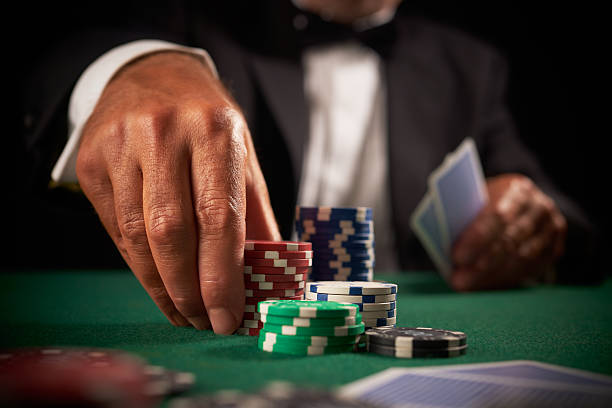
Conclusion: Understanding the Complexities of Casino Gaming Behavior
Exploring the psychology behind casino gaming behavior reveals intricate dynamics that drive individuals to engage in this activity. From the thrill of potential rewards to the influence of cognitive biases and environmental factors, the motivations for gambling are deeply rooted in human psychology. As the gambling industry continues to evolve, understanding these psychological underpinnings can offer insights into responsible gaming practices and the development of interventions to assist those who may struggle with gambling-related issues.
Ultimately, deeper comprehension of the psychological aspects surrounding casino gaming behavior not only enhances our understanding of this phenomenon but also fosters a more supportive environment for players and stakeholders alike. Engaging with this topic encourages an ongoing dialogue about gambling’s impact on society and the ways we can promote healthier gaming habits.